In a time of budget cuts and rising living costs, what happens when someone’s income is no longer enough to cover the cost of necessary medications?
According to a recent survey we conducted, for a third of Israel’s population, this is a very real issue: 27% of respondents (representing a cross-section of the entire population) had to forgo medication in the past year due to its prohibitive cost.
One particularly concerning finding was that 11% of respondents skipped prescription medications altogether, meaning they went without necessary medical care solely because they couldn’t afford it. Additionally, nearly half of the population reported cutting back on other expenses in order to afford healthcare services, particularly medications.
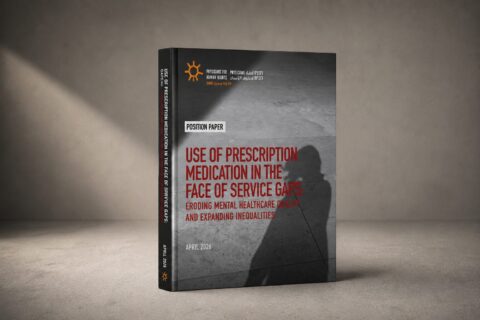
This survey was part of our recent position paper, “The Hidden Cost: How Prescription Medication Copayments Impact Disadvantaged Populations”, which explores the lack of justification for Israel’s medication copayment policies and the moral and economic costs they impose.
Read the full position paper:
Hebrew | English | Arabic
This issue has gained even more urgency in recent weeks, as the government plans a nearly 20% increase in medication copayments—the largest hike in decades.
Unlike previous increases, which were tied to inflation, this hike is essentially designed to slash the budgets of HMOs in an effort to address the national deficit. The savings HMOs generate from these higher copayments will be deducted from their government funding. According to estimates, this measure is expected to save the state a staggering half a billion shekels. Essentially, the Israeli government is imposing a regressive tax that disproportionately affects the sick, with the poorest and most vulnerable populations bearing the brunt of the burden.
Our main demand, as outlined in our position paper, is the gradual elimination of copayments based on medical necessity. Unfortunately, the current policy being pursued by the government moves in the exact opposite direction, exacerbating the harm. Moreover, using copayments as a covert method of raising taxes sets a dangerous precedent. This increase will only deepen Israel’s already severe healthcare inequalities and could have negative long-term economic effects, as skipping medications can lead to health deterioration, the treatment of which may cost more than the savings gained from the copayment hikes.
We have already submitted our comments on the draft version of this measure. If it moves forward and is presented to the Knesset for approval, we will continue to fight it.