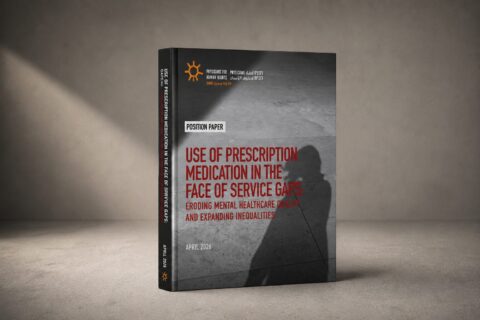
Physicians for Human Rights-Israel has published a new report examining the silencing and suppression of Palestinian citizens of Israel working within the country’s healthcare system. Based on approximately a year of research, testimonies, and interviews, the report reveals a complex reality underlying the system’s public image as a space of “coexistence.”
Read the full report
ENGLISH | HEBREW
“It’s difficult for us, but we cannot speak… We have become a machine. Without emotion. We just work, tick boxes, receive a salary… I asked myself—what am I doing here? I’m not doing my job… That’s why I had to stop.” – Physician, from the report
The findings indicate an unprecedented escalation since October 2023 in the treatment of Palestinian healthcare workers. The report documents dozens of disciplinary hearings and clarification meetings in at least 15 hospitals and across all four health maintenance organizations, often in response to expressions related to the war – even minimal actions such as sharing a post, liking content, or changing a profile picture.
The report details cases in which physicians, nurses, and other staff members were required to explain or retract their views, and in some instances faced disciplinary sanctions. Beyond individual cases, it describes a broader organizational climate marked by pressure to avoid speaking Arabic, informal “loyalty tests,” and a rise in normalized expressions of nationalism and militarization within hospitals and clinics.
According to the report’s authors, there is a profound gap between the healthcare system’s public portrayal as a space of equality and cooperation, and the lived experiences of many Palestinian workers, who describe feelings of exclusion, fear, and silencing.
The report emphasizes that the first step toward a more equitable system is acknowledging existing inequalities. It argues that the healthcare system is not immune to wider social dynamics in Israel, including nationalism, militarization, and structural inequality.
Alongside its findings, the report offers a number of policy and institutional recommendations. However, its central message is more fundamental: a call to listen – to allow healthcare workers to speak openly without fear.